Welcome to 「The Best Cave Theme Park in Korea, Gwangmyeong Cave」 Cave Development Story
Gwangmyeong Cave is a historical industrial heritage and
a place for creating new history.
 Where people were once drafted by force and abused during the Japanese Colonial Rule
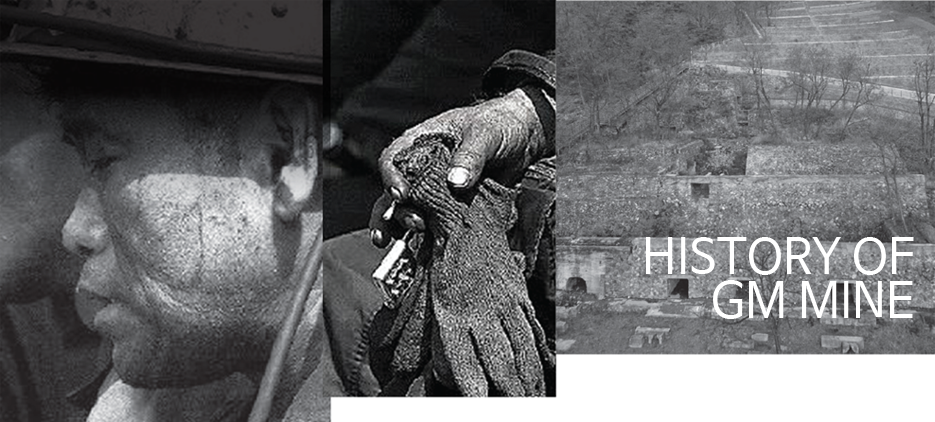
Gwangmyeong Cave was first established as the 「Siheung Mine」 in Gahak-ri, Siheung-gun on May 2nd, 1903. During the early years of Japanese Colonial Rule, the Japanese Government-General of Korea pressured King Gojong to invest heavily mining industry and established 'Deposits Investigation Agency' to find and monopolize the gold and silver mines. Gwangmyeong Cave (formerly named as Siheung Mine) was established again under the name of a Japanese, Iida Kyuichiro, in 1912 and it is seemed that this is related to concerted efforts by Japan to mine extensively. At that time, most of the miners were peasants who either worked for a living or were forced to do so by force. In its heyday, there were 500 miners working at the mine. Minerals mined after the period of Japanese Colonial Rule were sent to Japan and used to make weapons for the Pacific War and a great amount of minerals was plundered before the liberation. 100 years later, with all of the minerals extracted all that is left is to examine the mine's history, the statements of the miners that have survived and the few relics that remain. The painful history of the Japanese Colonial Rule is also reflected in the history of the Gwangmyeong Cave. It also has value as an industrial heritage landmark for the mining industry which has contributed to both the industrial and economic development of Korea in the years following its liberation from Japan.
1912 ~ Japanese Colonial Rule
Mine establishment and start of mining
1950 ~ 1952
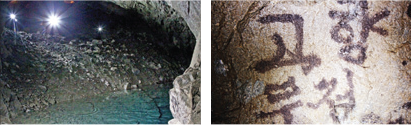
A shelter for residents during the Korean War
1961 ~ 1962
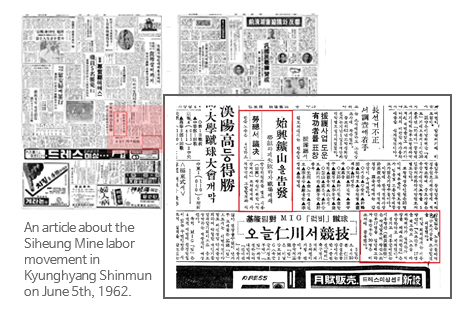
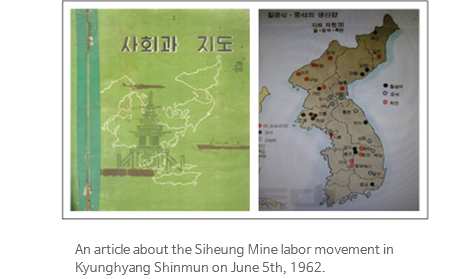
It was the birthplace of first labor movement in Gwangmyeong district
The labor movement which started at the Siheung Mine (former name of Gwangmyeong Cave) between 1961 and 1962 was the first labor movement in Gwangmyeong district, and was the first labor movement since May 16th, 1961
1972
Abandoned Mine
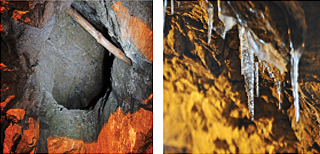
It was closed due to environment contamination and was a compensation issue after August, 1972, when ore residues were swept and carried away by a heavy flood.
1978 ~ 2010
Used as a storage for salted shrimp from the Sorae Port
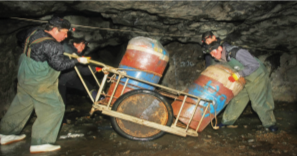
Since 1978, the cave was used to store salted shrimp from the Sorae Port, and some 3,000 drums of salted shrimps were stored there each year. These were massive amounts of salted shrimps that the residents of Seoul and metropolitan area were able to make one or two batches of kimchi with them.
 After 2011 opening
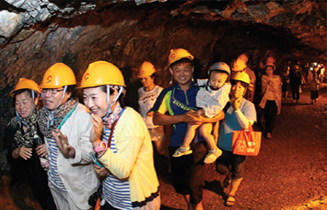
After 2011 openingMore than 2,000,000 visitors
2011
Rediscovering its value
Gwangmyeong Cave land purchased, opened to the public
2012
For the citizens
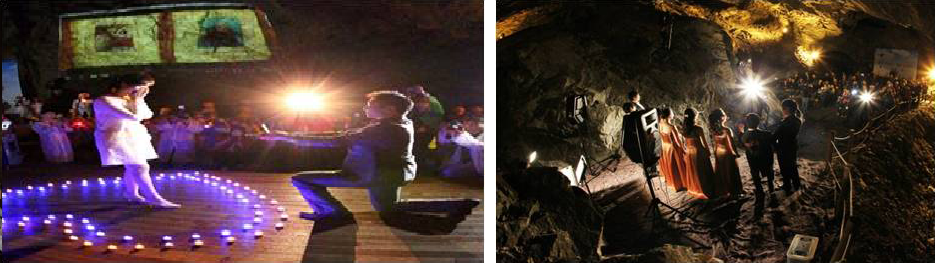
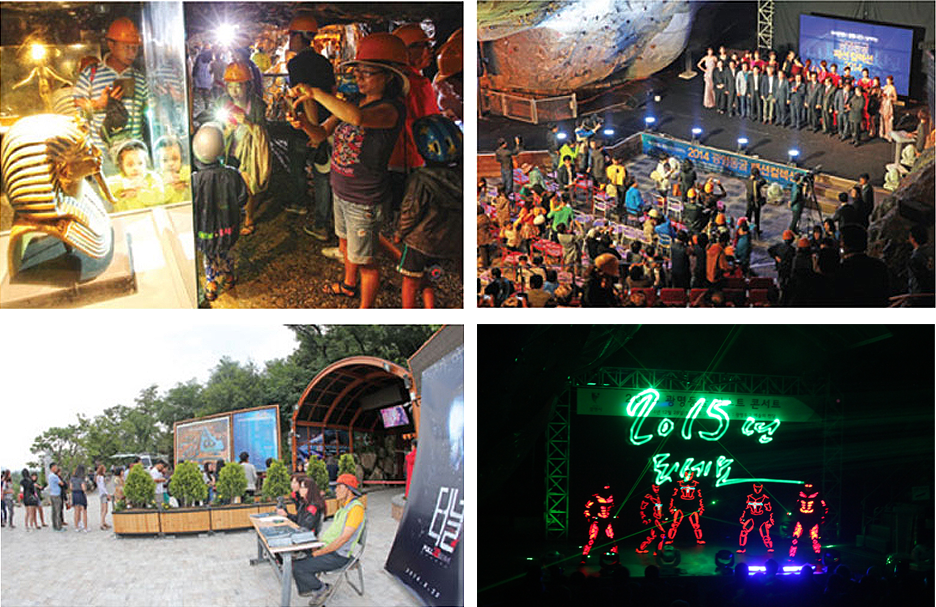
Gwangmyeong Cave which carries 100 years of history as an industrial site was first open to the public in August, 2011, after clearing away 40 years of darkness. It held a cave concert in October of the same year and screened both Pororo and its first 3D movie in 2012.
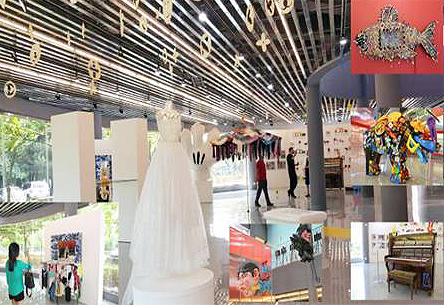
Rediscovering its value and changing it into a downtown cultural art complex.
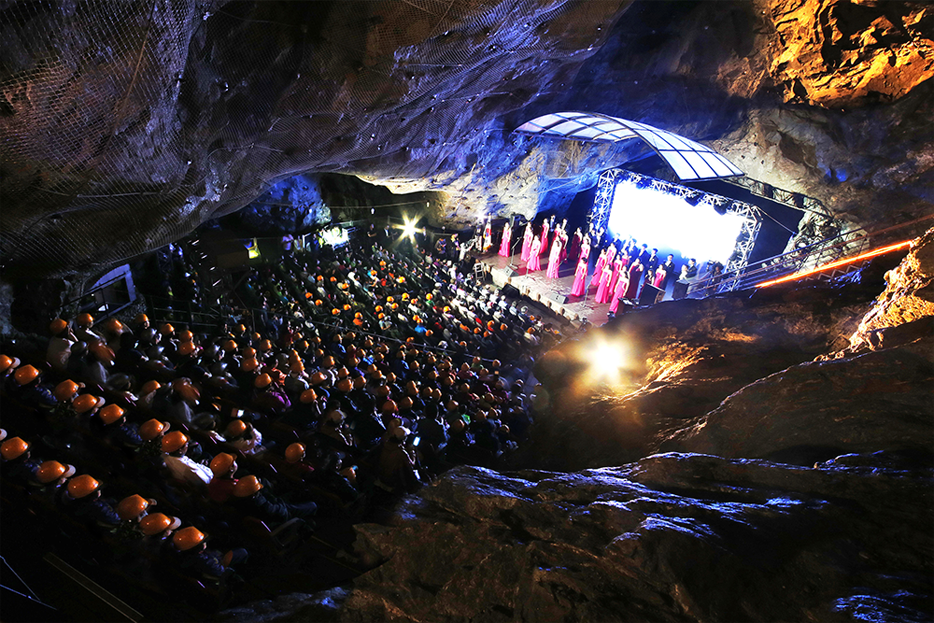
Rediscovering its value and
changing it into a downtown cultural art complex.
2013
Cave Art Center opened for the first time in the world
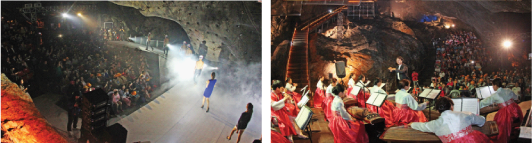
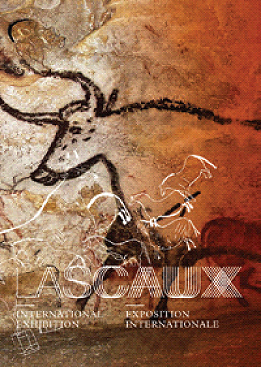
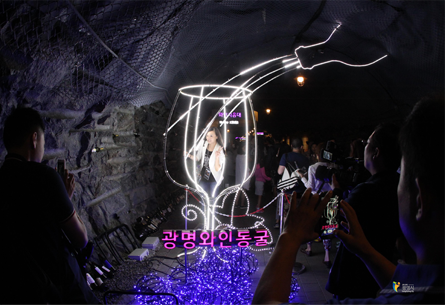
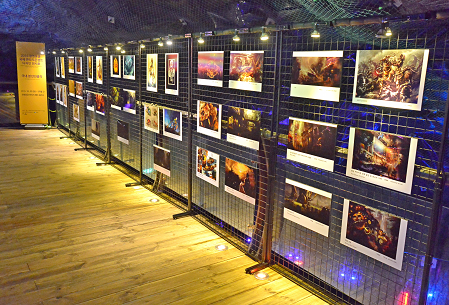
Gwangmyeong Cave started to get a lot of attention as a cultural art complex when the 350 seat Cave Art Center was opened in June of 2013. Following its opening it began to hold various cultural and art events including opera, musical and fashion shows, and it became a space for meaningful exhibitions such as the special exhibition of cave civilization.
2014
Held in high regard as a cultural art creative space
2015
Since 2016